
Fall 2024
HRSJ 5010 -Foundations of Human Rights and Social Justice
This course introduced me to the main ideas and theories that shape human rights and social justice. We studied topics such as equality, intersectionality, colonialism, and global human rights movements. The course helped me understand how different forms of power and inequality affect people’s lives and how justice must include fairness, respect, and inclusion. It also gave me a strong foundation for thinking critically about social issues.
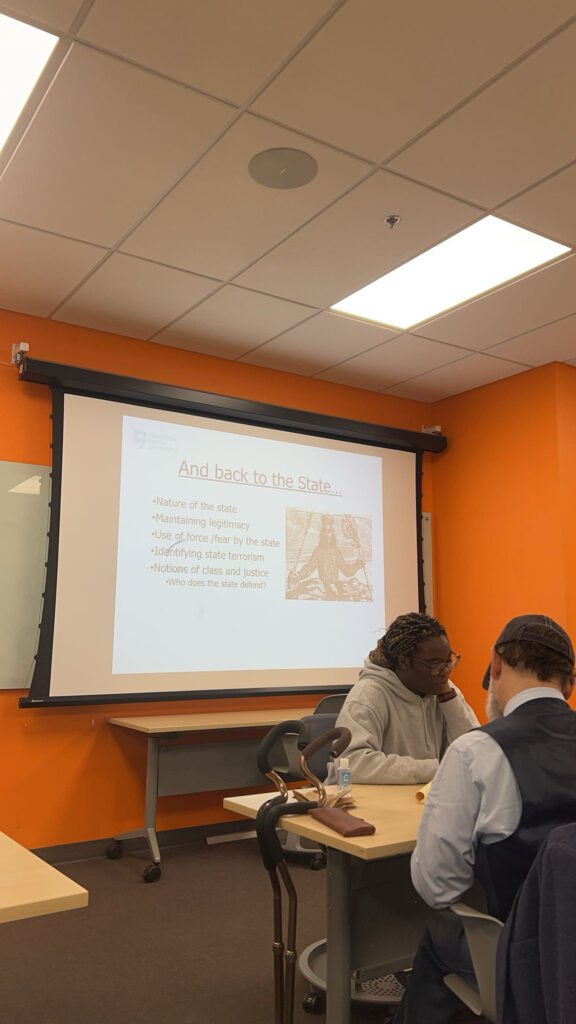
HRSJ 5020- Indigenous Ways of Knowing: Resurgence of Land-Based Pedagogies and Practices
This course opened my eyes to the deep connections between land, knowledge, and identity in Indigenous communities. We learned about Indigenous ways of teaching, storytelling, and healing. Coming from Ghana, I saw many similarities between Indigenous beliefs in Canada and traditional African values, especially respect for Elders and the land. This course taught me that true education includes the heart, the spirit, and the land itself.
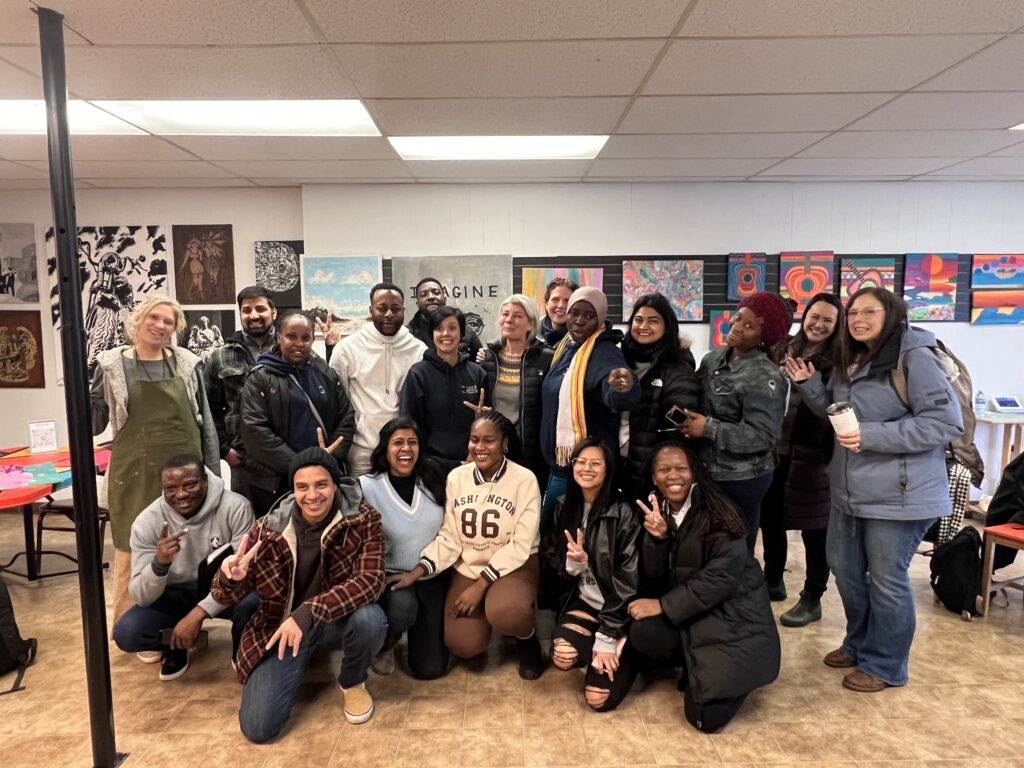
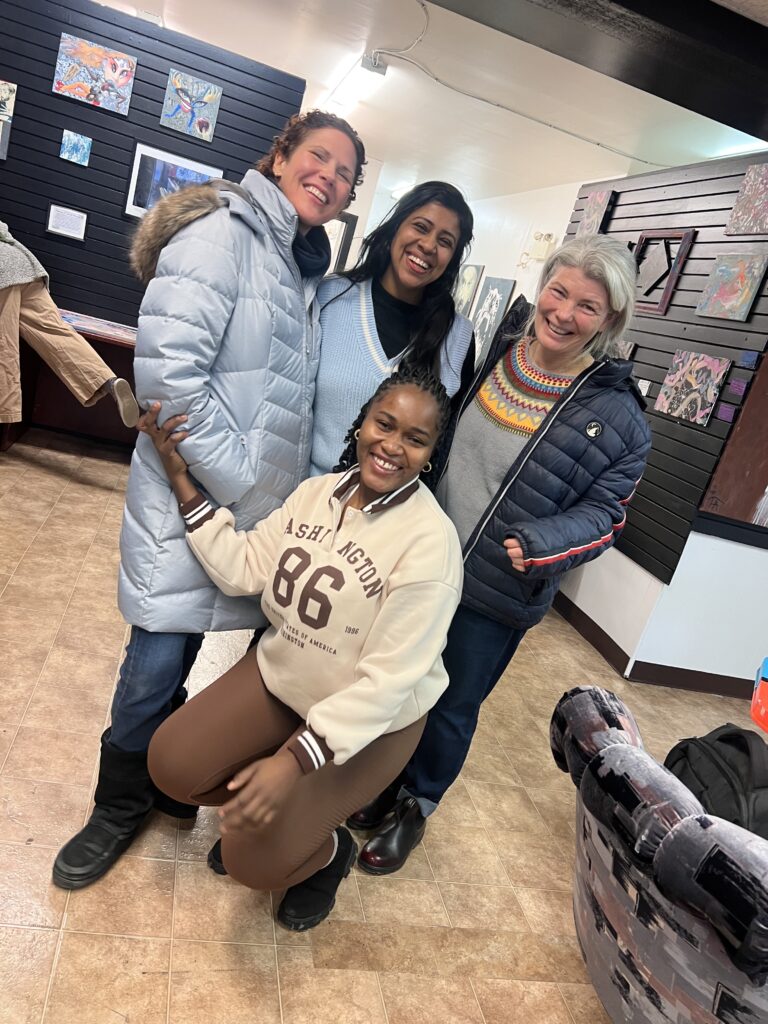
HRSJ 5710- Food, Art, and Community Empowerment
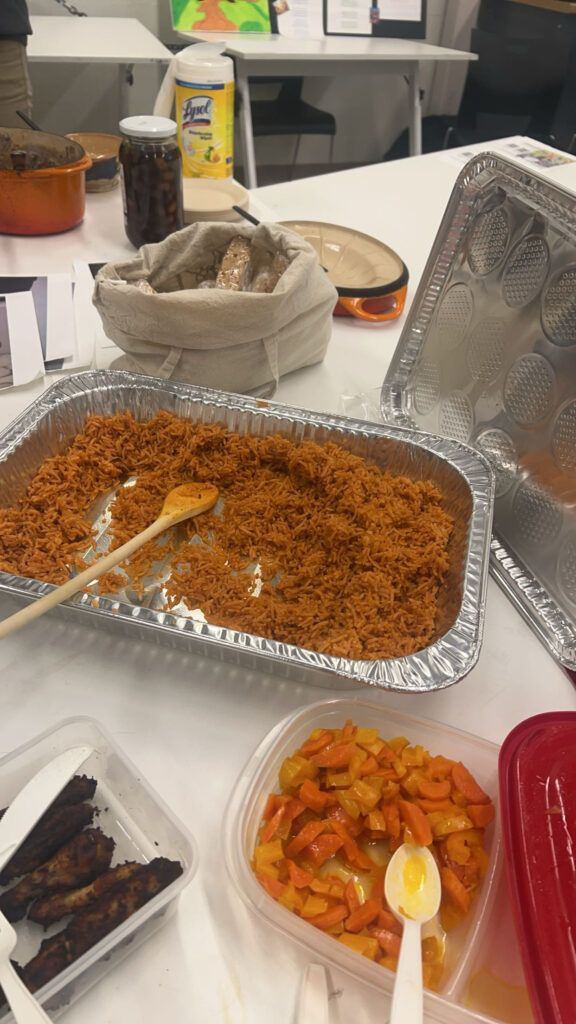
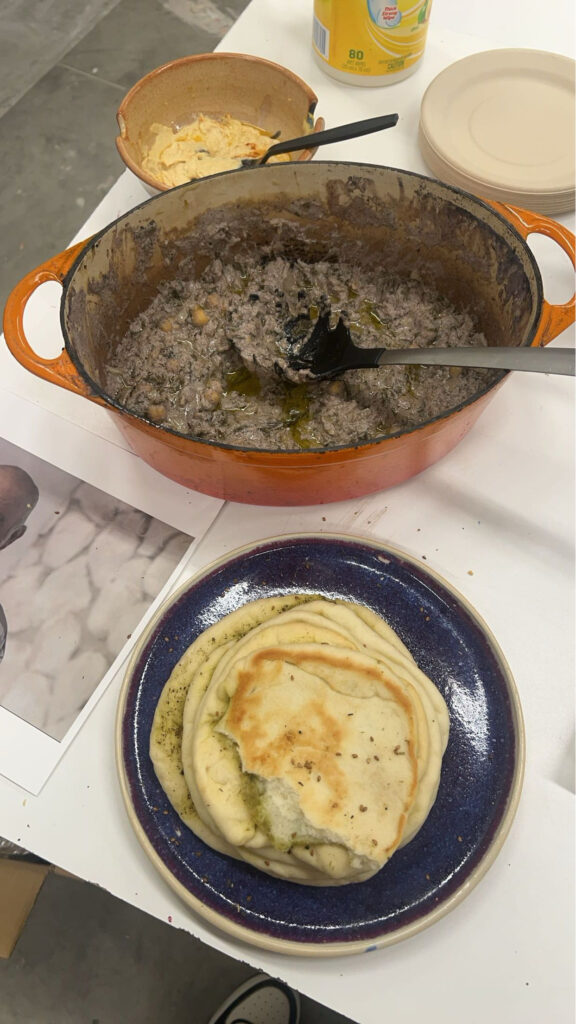
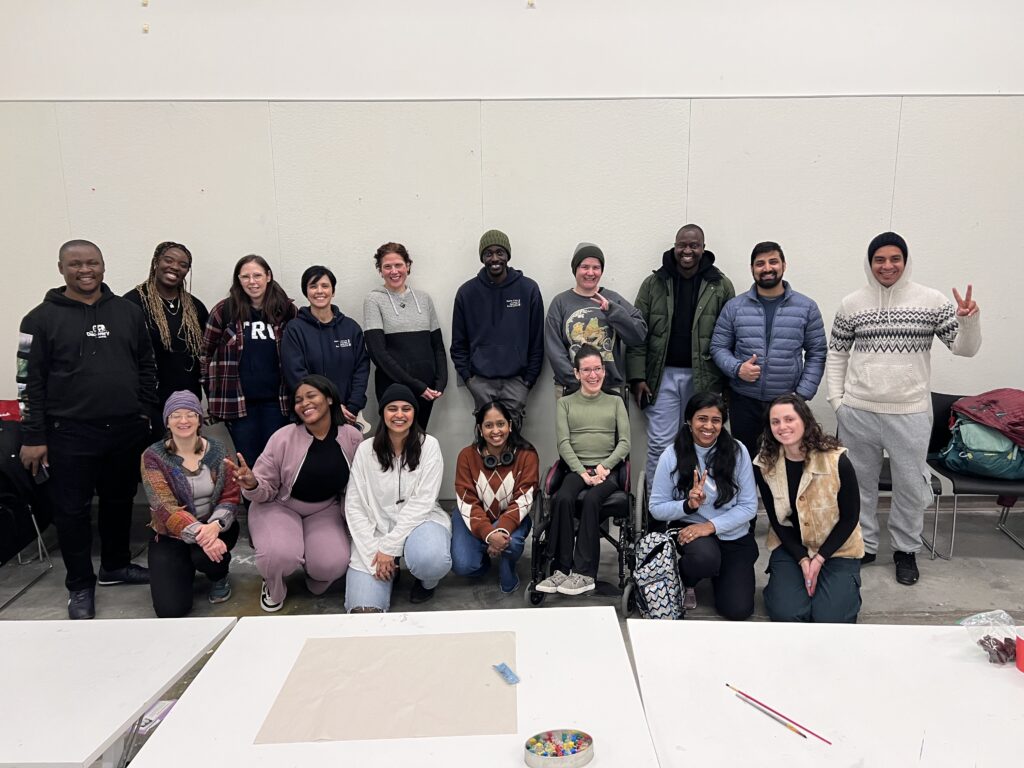
This was one of my most creative courses. We explored how food can bring people together, express culture, and promote justice. As my final project, I made Ghana jollof rice and chicken to represent my culture and the importance of food in community identity. I learned that food is not just something we eat. It tells stories, builds relationships, and can even fight inequality by supporting local farmers and sustainable practices.
Winter 2025
HRSJ 5030- Problem Solving in the Field
In this course, I learned how to apply human rights knowledge in real situations. We practiced research methods, project planning, and teamwork. I discovered how important communication and cultural awareness are when working with communities. This course helped me become more confident about solving real-world problems with empathy and care.
HRSJ5260- Contemporary Capitalism
We examined how capitalism influences global systems and impacts human rights. The course examined poverty, inequality, and the exploitation of workers and the environment. I learned to connect economic issues to social justice and realized that fairness in society cannot exist without fair economic structures.
HRSJ 5120- Settler Colonialism, Decolonization and Responsibility
This course focused on the history and ongoing effects of colonialism. For my creative project, I built a model of the Cape Coast Castle in Ghana using cardboard. This project was very meaningful because the castle is a symbol of the transatlantic slave trade and colonial oppression. It helped me reflect deeply on the shared histories of oppression between Africa and Indigenous peoples in Canada, and how remembering these histories is key to decolonization.
Summer 2024
HRSJ 5040 – Practicum at Secwepemc Child and Family Services (Kamloops, BC)
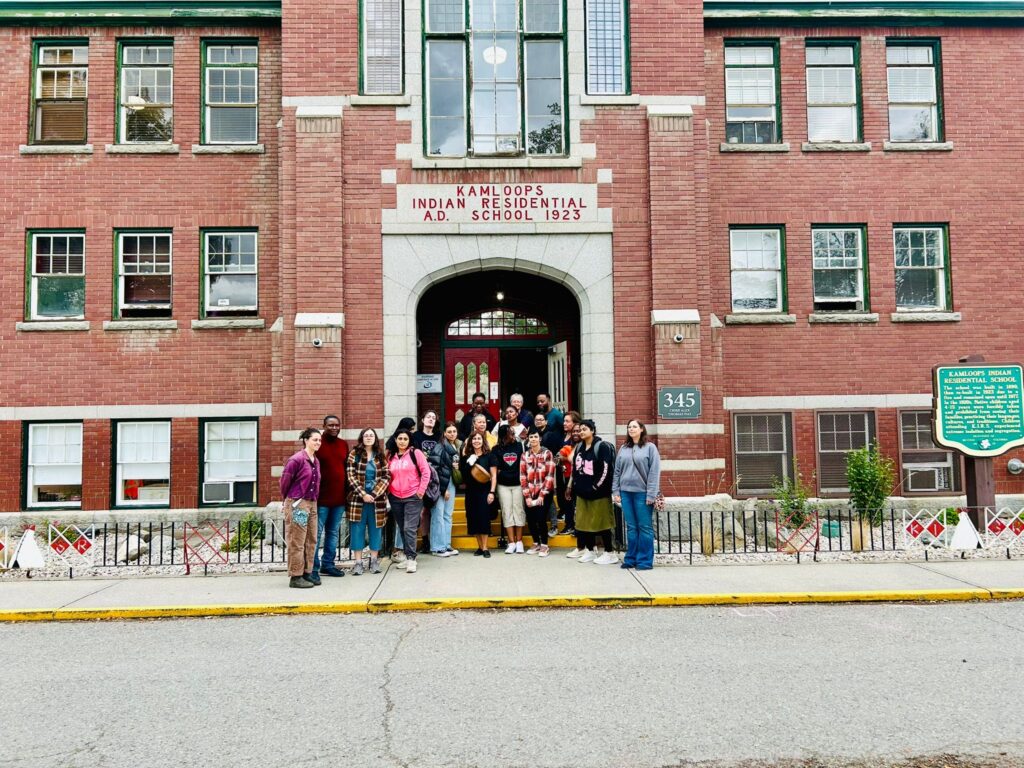
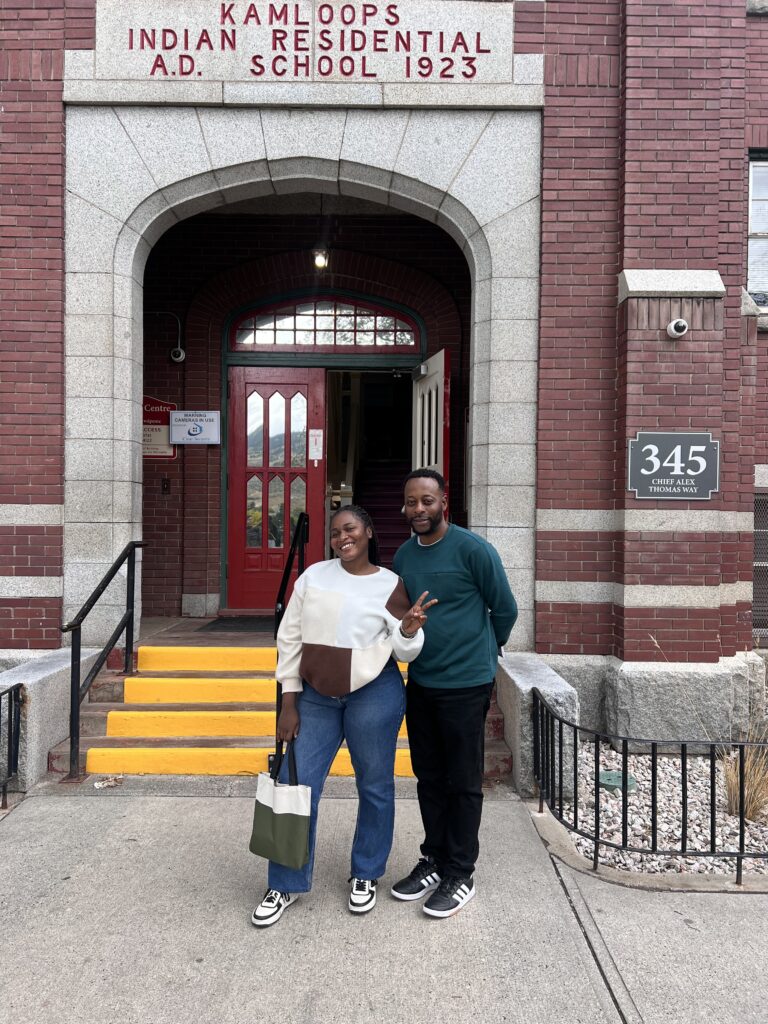
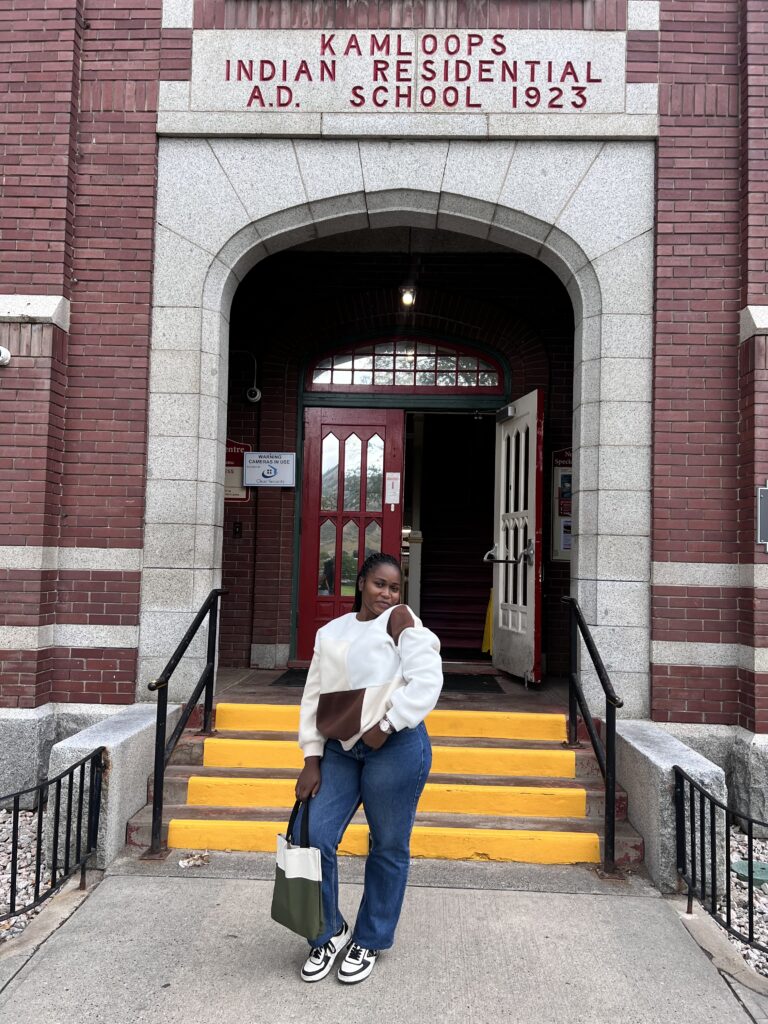
For my practicum, I joined the Cultural Integration Team at Secwepemc Child and Family Services. Our main goal was to help Indigenous communities reconnect with their language, culture, and traditions, which were deeply affected by colonization and residential schools. I took part in organizing and attending cultural activities such as drum-making, sewing moccasins and ribbon skirts, playing traditional games, and learning Indigenous languages. I also worked directly with foster children and Elders, helping to bring cultural pride and connection back into their lives. This experience changed the way I understood human rights and social justice. I realized that culture itself is a human right. Working with the Secwepemc people taught me that healing, identity, and justice are all connected. I learned how respect, patience, and listening are the foundation of cross-cultural communication. One of my most memorable experiences was making a traditional drum and playing games with the children. This made me feel part of something truly healing.The practicum taught me that change does not always come from big speeches or protests. Sometimes, it starts quietly with a song, a story, or a shared activity that brings people together. This experience inspired me to continue working with communities that are reclaiming their identity and fighting for justice.
HRSJ 5040- Practicum
Fall 2025
HRSJ 5250 – Risk, Place, and Social Justice in a Turbulent World
This course explored how global risks such as climate change, migration, and pandemics affect human rights. I learned how place and identity influence how people experience risk. It made me think about how we can protect vulnerable communities and build stronger, fairer societies even in times of crisis.
HRSJ 5110 – Genocide in the 20th Century
In this course, we studied different cases of genocide around the world, including the Holocaust and the Rwandan genocide. I wrote a research paper on the Violence in the Rwandan Genocide: Women as victims and Perpetrators, focusing on how sexual violence was used as a tool of war. This course taught me about the importance of remembering history, supporting survivors, and working toward justice and prevention.
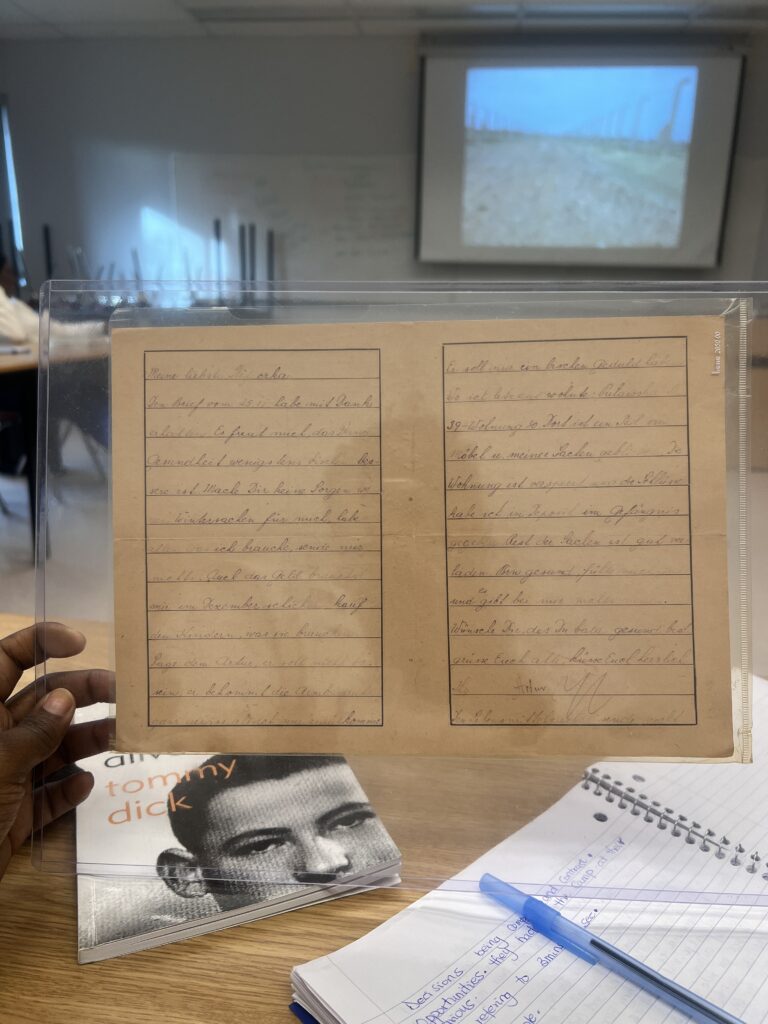
The picture above is a letter of a Holocaust survivor written while she was in exile
Reflection on One Impactful Assignment
One of the most impactful assignments I completed was a paper titled “Decolonization Is Not a Metaphor.” In this paper, I examined how the term “decolonization” is sometimes used too lightly in modern discussions, losing its real meaning. My main argument was that true decolonization must involve action. These include returning land, restoring cultural practices, and changing systems of power, and not just using the word in theory.
This assignment made me think deeply about how people and institutions can sometimes claim to support justice without taking real steps to achieve it. It helped me understand that decolonization is not just about talking; it is about change, humility, and accountability.
Reflection on One Impactful Reading
One reading that truly influenced me was Vandana Shiva’s “Who Really Feeds the World?” from my Food, Art, and Community Empowerment course. Shiva explained how industrial farming harms nature, women, and small farmers, and how local and traditional food systems actually sustain the planet. This reading made me realize that fighting for food justice is also fighting for gender equality, environmental care, and human rights. It showed me that small actions like supporting local food can make a big difference in building a fair world.
Summary
My coursework in the MA Human Rights and Social Justice program has changed the way I see the world. Each class taught me not only about theory but also about empathy, respect, and responsibility. From understanding Indigenous knowledge to learning about capitalism, genocide, and community empowerment, every course has helped me grow both academically and personally.